

Let’s take a little walk down the art supply aisle—not to shop (for once), but to get a peek at the weird, wonderful history behind the tools we use every day. Because let’s be real: crafting isn't just creative—it's historic chaos with a glue stick.
Whether you're blending oil pastels like a pro or gluing googly eyes onto pinecones (we support both), every tool has a backstory. And some of them are wild.
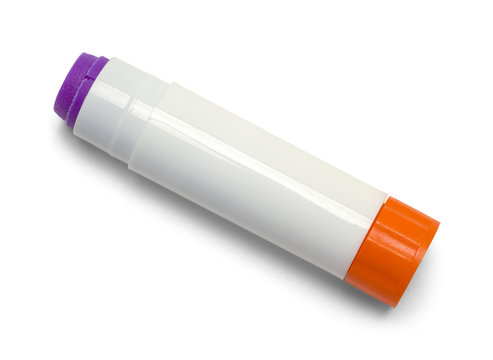
1. Glue Sticks: From Office Supply to Eyebrow Control
Glue sticks first popped up in the 1960s, inspired by lipstick tubes. That’s right—some genius at a German glue company saw a lipstick applicator and thought, “Yes, but for paper.” The result? Mess-free glue that became an instant school supply staple.
Personally, glue sticks are a must-have in my journaling and collage kits—and my preschool classroom. There’s just something satisfying about that smooth swipe. And while I’ve never done it myself, I can’t help but laugh every time I see beauty creators using glue sticks to lay down their eyebrows. Honestly? Crafty excellence.
2. Oil Pastels: The Soft Rebels of the Drawing World
Oil pastels were created in 1925, and they’re basically crayons that decided to become artists. Unlike chalky soft pastels, these are made with pigment and oil, giving them that creamy, blendable texture.
I rediscovered oil pastels as an adult while teaching kids how to blend with Q-tips, tissues, or—my go-to—fingers. They’re wonderfully versatile, perfect for experimenting with textures and colors, and they don’t require a fancy setup. Just paper and a willingness to get a little smudgy.
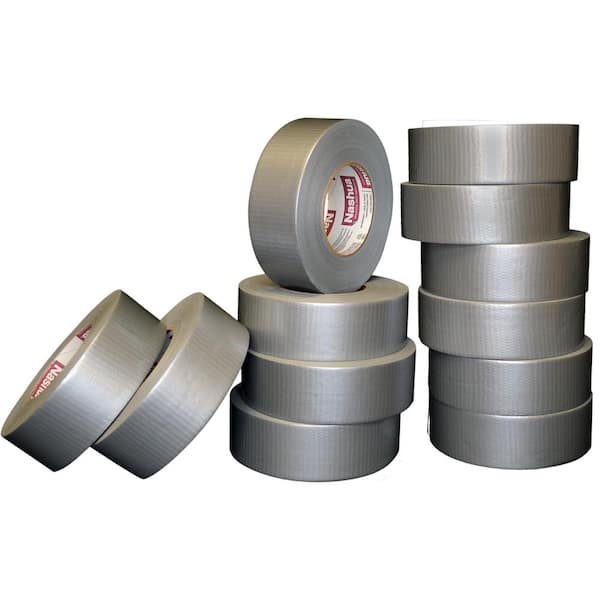
3. Duct Tape: The Craft Supply That Wasn’t Supposed to Be
Originally invented during WWII to seal ammo boxes (and repel water, like a duck—hence “duck tape”), duct tape has become the universal fix-it tool… and the unofficial material of chaotic crafters everywhere.
When I was younger, I carried dental floss and duct tape to fix the strings on my French horn. Yes, really. That same DIY energy followed me into adulthood—I recently used body tape to stick feathers to a steampunk jacket. A little unhinged? Maybe. Effective? Absolutely.
4. Glitter: A Sparkly History of Trash and Treasure
Modern glitter was invented in 1934 by a New Jersey machinist who figured out how to cut scrap plastic into tiny reflective pieces. Before that, people used crushed glass, beetle shells, or mica flakes. Imagine getting a glitter bomb… made of glass.
Glitter has gone from sacred ritual material to craft room chaos agent, and I kind of love that journey for it. Sure, it gets everywhere, but isn’t that sort of the point? Glitter doesn’t ask permission—it just shows up.
5. Pipe Cleaners: Not Just for Pipes
Yup, those fuzzy bendy sticks were originally made to… clean tobacco pipes. But somewhere along the way, a teacher or an artist looked at them and thought, “I see potential.” By the 1950s, they were a full-on craft staple.
They’re still a favorite in preschool projects—hello, googly-eyed caterpillars—and they’re a go-to when you want structure, color, and chaos in one tiny wire.
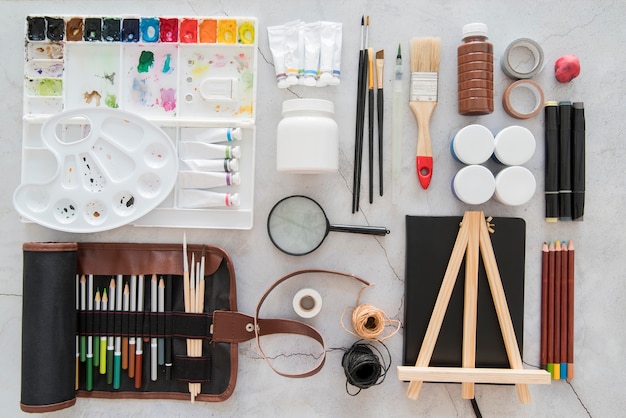
Want to Play with Supplies Like These?
Explore the mixed-media magic of artists like Yayoi Kusama in our Art History Box for all ages. With a variety of materials and no pressure to “get it right,” you’ll learn how iconic artists experimented way outside the lines—and how you can too.
Crafting isn’t just a hobby—it’s a continuation of a very weird, very human history of making things out of whatever we could get our hands on. And honestly? I think that’s beautiful.
What’s your favorite craft supply with a weird backstory or unexpected use? Tell me in the comments—I promise not to judge your glue stick hoarding habits.